

I’ve spent more than ten years working as an automotive inspector, and few appointments reveal as much about a vehicle as an apk keuring auto. Drivers often arrive focused on whether their car will pass or fail, but from my side of the inspection lane, the test is more like a snapshot of how the car has been living its daily life—short trips, cold starts, delayed maintenance, and all.
One of the earliest lessons I learned came from a car that failed despite having no warning lights on the dashboard. The owner was convinced something had gone wrong overnight. In reality, worn suspension components had been degrading slowly for years. The driver had unconsciously adjusted to the change, steering a little more carefully, braking a little earlier. The inspection didn’t uncover a sudden fault; it simply exposed wear the driver had stopped noticing.
Lighting issues are among the most common reasons cars fail, and they’re often misunderstood. I once inspected a car with headlights that worked perfectly in the owner’s driveway but failed alignment during the test. He was frustrated because the lights “turned on just fine.” From an inspection standpoint, direction and intensity matter as much as function. Misaligned lights don’t just affect the driver—they affect everyone else on the road.
Brakes tell their own story during an MOT inspection. I’ve tested cars that felt acceptable during normal driving but showed uneven braking force under measurement. One driver was genuinely surprised, saying the car stopped “well enough.” What he didn’t realize was how much he’d adapted his driving to compensate. After repairs, he later told me the car felt smoother and more stable, especially in traffic. That’s a reaction I hear often after a proper fix.
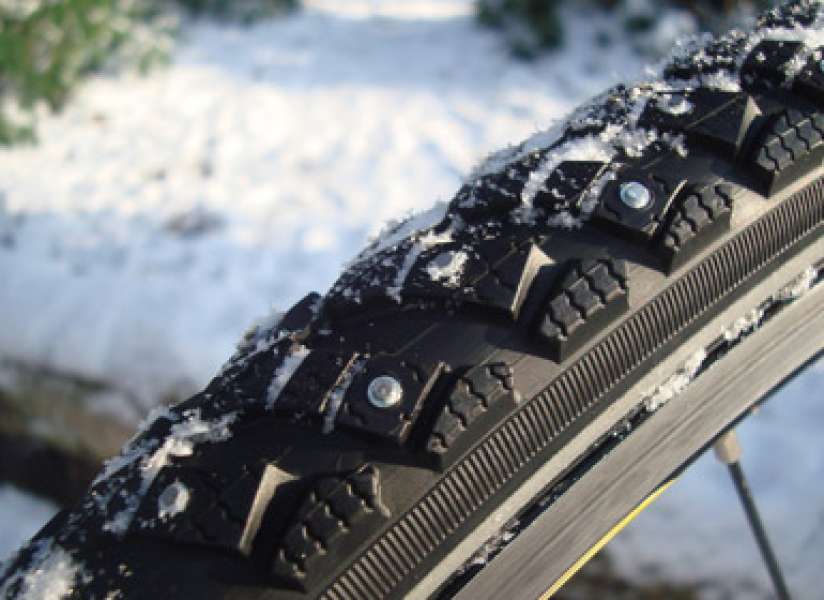
Tires are another area where perception and reality drift apart. Many drivers rely on a quick visual check, assuming tread that looks reasonable must be sufficient. I’ve measured tires that failed by a small margin and watched owners argue that they were fine “last year.” They probably were. Rubber wears quietly, and without measuring, it’s easy to overestimate what remains. I’ve also failed cars for mismatched tires on the same axle, something people rarely think about until it affects stability.
Winter habits leave clear traces on cars. Vehicles used mainly for short trips in cold weather often show corrosion on brake components or weakened batteries. I’ve replaced countless batteries shortly after winter because drivers assumed a car that starts most mornings is healthy. The inspection doesn’t reward luck. It looks at whether the component performs consistently, not occasionally.
Exhaust issues are another common surprise. Small leaks can go unnoticed for months, especially if the car sounds normal from inside. I once failed a vehicle for an exhaust fault the owner hadn’t heard at all. He thought the test equipment was wrong until we lifted the car and showed him the corrosion. Left alone, it would have become louder and more expensive to fix.
One mistake I see regularly is leaving everything until inspection day. People hope the car will “just get through.” Sometimes it does, but often it doesn’t—and the failure is usually something minor that could have been fixed easily beforehand. A driver last spring failed due to a cracked rubber component that cost little to replace but caused unnecessary delay and frustration because it wasn’t addressed earlier.
From my perspective, the MOT inspection isn’t about perfection. Cosmetic flaws rarely matter, and I’ve reassured plenty of nervous drivers about scratches or worn interiors. The focus is safety and roadworthiness. Cars don’t usually fail because they’re neglected completely; they fail because small issues accumulate quietly.
I also have strong opinions shaped by experience. Cars that receive steady, incremental maintenance almost always pass more smoothly than those repaired in a rush. I encourage drivers to pay attention to subtle changes—longer stopping distances, vague steering, warning lights that appear briefly and disappear. Those signs almost always show up during an inspection.
I don’t enjoy failing cars, especially when someone depends on that vehicle every day. But I’ve also seen what happens when problems are ignored for too long. Vehicles that pass after proper repairs often feel transformed, even though nothing dramatic was replaced. Drivers come back telling me the car feels tighter, calmer, and easier to control.
After years of inspections, retests, and conversations across the counter, my view is steady. An MOT inspection isn’t designed to catch people out. It’s designed to highlight changes that happen gradually and quietly. When drivers understand that, the inspection stops feeling like a gamble and starts feeling like what it really is—a moment to make sure the car they rely on is still doing its job safely.