

Over the past decade working as a certified health and weight-management coach, I’ve had many clients walk into consultations carrying questions about supplements they’ve discovered online. Recently, several of them have asked me about Keyslim drops reviews while exploring ways to support their weight-loss efforts. I understand the curiosity. When people feel stuck despite trying different diets or exercise routines, they naturally start looking for tools that might make the process easier.
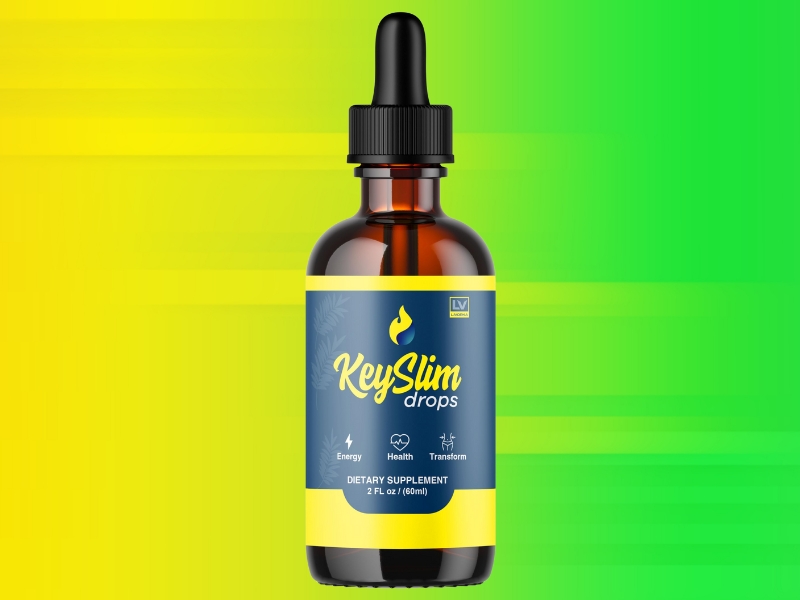
In my experience, most people who ask about products like this are not expecting miracles. They simply want help controlling cravings or improving consistency. One client I worked with last spring comes to mind. She had already improved her meals during the day but struggled every evening with snacking. During one of our sessions, she mentioned that she had been reading about weight-loss drops and wondered if something like that could help reduce her appetite.
Rather than dismiss the idea, we talked about how supplements might fit into a broader strategy. I suggested focusing first on increasing protein in her evening meals and adjusting her daily calorie distribution. A few weeks later, she told me that adding a supplement alongside those changes made it easier for her to avoid late-night snacks. What made the real difference, though, was the structure we built around her eating schedule.
Another experience stands out from a consultation with a client who works long shifts in a warehouse. His biggest challenge wasn’t food quality—it was irregular meals. Some days he skipped lunch entirely and then overate once he got home. He asked if drops could help him burn fat faster. I told him something I’ve repeated countless times over the years: supplements rarely solve the underlying habits that cause weight gain.
We focused on small adjustments first. He started packing simple meals he could eat during short breaks. Once his routine improved, he experimented with a supplement that claimed to support appetite control. Over several months he saw steady progress, but the improvement came mostly from consistent eating patterns.
Through years of coaching, I’ve also noticed a common mistake people make when trying weight-loss supplements. Many assume that using multiple products together will speed up results. I’ve had clients arrive with cabinets full of fat burners, detox drinks, appetite suppressants, and metabolism boosters. My advice is usually simple: introduce one product at a time. That way you can actually observe whether it’s helping.
Another misconception involves expectations. Weight loss that lasts rarely happens overnight. I remember a client from a couple of years ago who had tried nearly every trending supplement available. The turning point came not from a product but from a simple habit—walking after dinner most evenings and improving his sleep schedule. Once those routines became consistent, his progress finally stabilized.
From a professional standpoint, supplements like drops can sometimes play a supportive role, especially for individuals struggling with hunger or low dieting energy. But I’ve found that they work best alongside realistic lifestyle changes. People who rely solely on products tend to feel disappointed, while those who combine tools with steady habits usually experience the most sustainable results.
After guiding clients through weight-loss challenges for more than ten years, one pattern has become clear to me. Helpful tools may assist along the way, but the habits someone repeats every day are what ultimately shape their progress.